The Benefits of Using a Thrusting Machine
The major muscles of your back can be effectively worked by using thrusting machines. They are also referred to as glute boxes and hip thrusters. They target the gluteus maxus or butt and hamstrings, and the core.
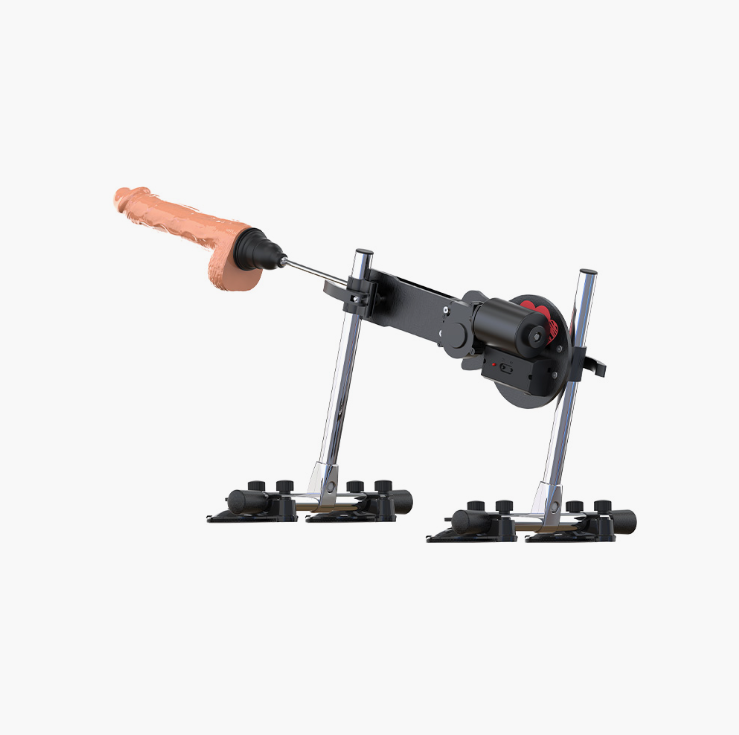
The Buck is more compact and cheaper than other thrusting sex toy, which can cost up to $1,000. It comes with a built-in safety feature that cuts off the motor's power when you press the red button.
What is a Thrusting Machine (TM)?
A thrusting machine is a type of sex machine which can be used by two people to enjoy sexual pleasure. The machine creates a pulsing motion that can be altered by using different adapters as well as by altering the angle of thrusting. Thrusting machines can also be utilized to bond. Depending on its design, the machine can be used to reach sensitive areas on the body like the cervix. The Buck thrusting machine, for example has toggles that can be used to create a straight or angled thrust, as well as one that pushes both upwards and forward.
Hip Thrust Exercise
The hip thrust is an exercise that helps strengthen the gluteal muscle and reduces back pain. It also improves power and speed in sports that require sprinting, jumping, and running, as well as improving the stability of the core.
This movement is suitable for all fitness levels because it can be performed using barbells, weights, resistance bands, or even bodyweight. The movement is flexible and can be made more difficult over time with variations.
Beginners should start by doing the bodyweight exercise to get a sense of how the exercise feels. Then, they can add weighted plates or barbells to the exercise. Place a piece of foam or a pad on the bench to make sure that the barbell doesn't impact your hip bones as you perform this exercise.
The gluteus maximus is the main muscle group activated by the hip thrust, however the hamstrings and the quadriceps are also involved. The tensor facia latia assists in supporting the gluteal region and hip when performing this move. For the most efficient results, it is essential to position your feet in a manner that promotes activation of all these muscles. Beginning athletes tend to lift their hips too high, which can cause an overextension of the spine and decrease the gluteus's maximum engagement.
Some lifters also tend to sway onto the feet's balls at the top of the thrust, which is not just a poor posture, but could also cause a shift in the workload from the quads to the muscles of the hamstrings. Avoid overloading by putting a break at the high-points of the movement.
This exercise is great because it's easy to add variety by changing the starting point. For instance you could place your shoulders against the Glute Builder Meraki or a glute-box. Another option that is effective is the single-leg hip thrust which uses a band for resistance instead of a plate with weights or barbell.
Glute Bridge Exercise
The glute bridge exercise is a low-impact way to strengthen your core and hip muscles. It will also improve your posture and alleviate lower back pain. It targets the iliotibial tract as well as the vastus lateralis muscles. It is simple to do and doesn't require any special equipment or space. This is a safe exercise for those suffering from osteoporosis since it requires lots of forward motion. As with all exercises it is recommended to consult a doctor before beginning this exercise to ensure that it is safe for your body.
To perform sex machine toys , lie on your back, with your knees bent and your flat feet on the floor. Slowly raise your pelvis and hips until you are straight from your knees to your shoulders. Hold this position, squeezing your butt muscles, for 10 seconds. Then slowly and gently lower your pelvis and hips back to the ground.
As well as targeting the gluteus maximus muscle this exercise also works other muscles in your buttocks. It also targets your hamstrings (a group of muscles and tendons running through your spine), your quadriceps, and your erector Spinae muscles. It also improves your posture.
Many of the activities we engage in, like sitting at a desk or curled up on the couch, put our hips in an extended position, meaning that the muscles in your hips and lower back are always under tension. Glute bridges can strengthen these muscles to combat the flexion that we perform every day. This makes it easier to walk or stand up and move about and reduces the chance of injury in the future.
There are several variations of the glute bridge exercise. One variation targets the gluteus minimus and medius muscle by lifting only the opposite foot off the floor. Another variation involves a band around the knees, which helps to increase the resistance of the exercise, and also tests your balance and stability.
Other Exercises
Weight plates can transform the hip thrust from a sluggish exercise into one that defies gravity and promotes significant muscle development. But, the position of the plate is essential in ensuring that its contribution is maximized. If the plate is not properly placed, it's like discordant notes disrupting a symphony. The plate should rest gently on the hip bones, allowing for hip action, while promoting the production of power and maximising capacity.
If you are doing it correctly, the hip thrust will become a key element in any leg exercise. It will aid in building strength throughout your lower body. It is essential to maintain a balance between volume and frequency. This will allow you to recuperate between sessions without pushing yourself too far. This is particularly important when performing hip thrusts with plates, which are heavy and intense exercises that require a good recovery time to avoid injury.
Begin by using the smallest amount of weight until you are comfortable with the movement. Slowly lower your hips until they are in an extended position. Pull the handles toward you to lock the machine. You should rest for a second before you return to the extended position and push back up into the starting position to complete one rep. Take a second rest before lowering your hips a second time and repeat the process until you have reached your goal number of repetitions. Remember to keep the movement in check and stay tight through the entire range of motion. Avoid letting your hips drop too far forward or up because this puts strain on the spine and lower back muscles and may cause injury.